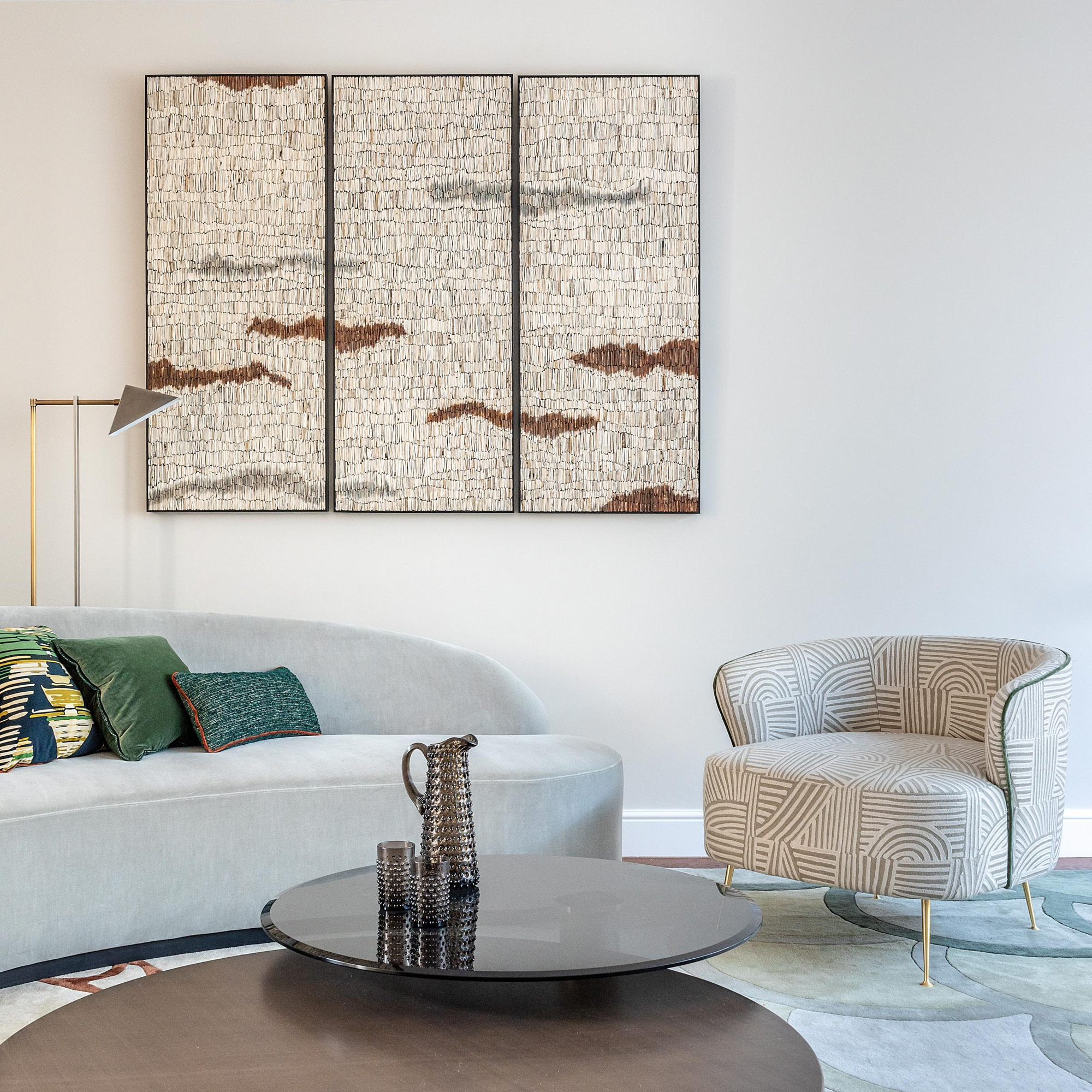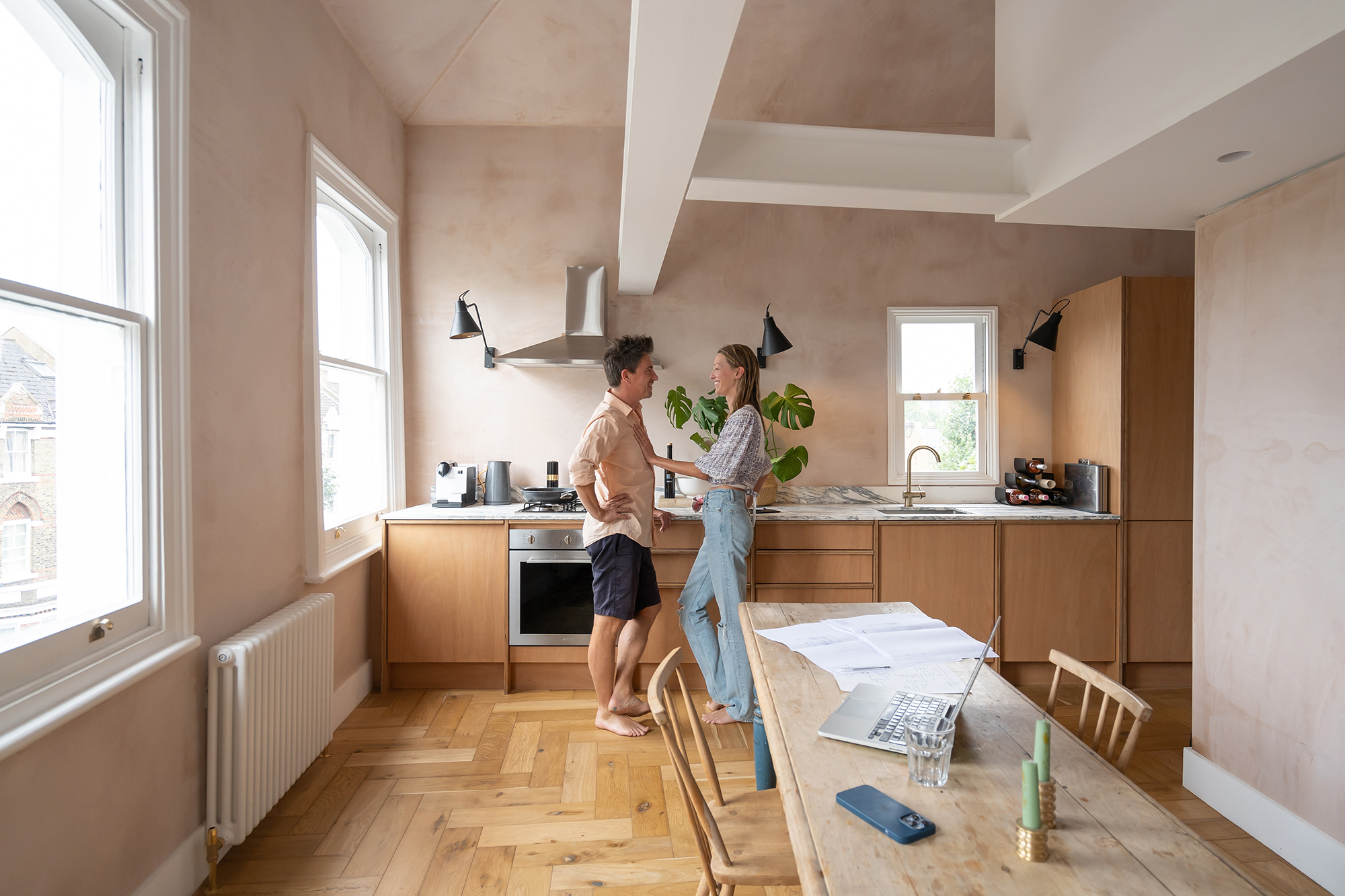
Atelier Apartment by Tommaso Spinzi
Exploring the distinctive design language of a Milan atelier apartment, layered with texture, colour and considered detail.
The atelier apartment is a study in restraint and richness. Every material has been chosen with care, and every surface carries the mark of a craftsperson who understands that quality is felt as much as seen.
Tommaso Spinzi has created something genuinely rare: a home that feels both complete and alive. The palette draws from earth and stone, warmed by the occasional flash of deep terracotta that catches the afternoon light.
In this guest hospitality Milan loft, Tommaso Spinzi has created a shared space that blurs the boundaries between private home and gallery. The apartment had been chosen with care: a week vintage sports bar left out of a buying everything they see. And Tommasso like for Italian furniture is watching what French ideas can do.
The design's tolerance and that of his Milanese and Parisian audience reflects the hierarchy of craftwork in one of the most important sites of the 20th century.
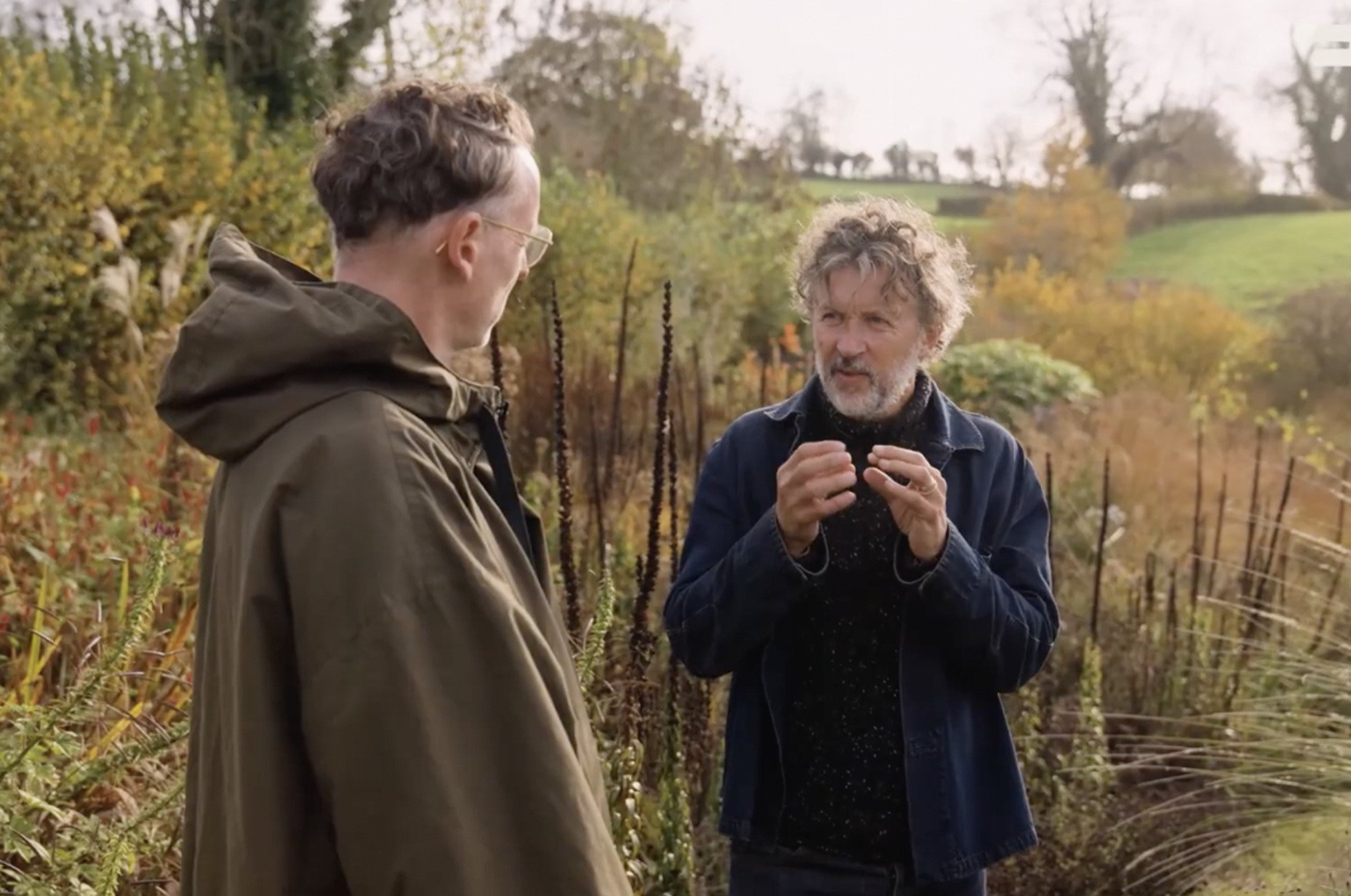
We sat down with Kirsty, the new owner of French Ideas.
Before starting this project with Tommaso, Kirsty had spent over a decade in the world of Parisian interiors — first as a buyer for a large furniture house, then latterly as a consultant advising private clients on acquisitions. She came to the project with clear ideas and an even clearer eye.
The partnership worked, she says, because of a shared understanding that restraint is not the same as emptiness. A room can be quiet and still feel richly inhabited — it simply requires more considered thought at every stage of the process.

What is French Ideas?
French Ideas began as a small studio practice focused on residential projects in and around Lyon. Over the course of fifteen years it has grown into one of the most respected names in European residential interiors, with commissions in Paris, London, Milan and, increasingly, across the northern English countryside.
The practice's approach has never really changed: listen carefully, work slowly, and never compromise on the quality of materials. It is a philosophy that takes patience — from the studio and from its clients — but the results speak clearly for themselves.
How long have you been in the industry?
Kirsty has been working in interiors for just over eighteen years, though she is quick to note that the first few of those were spent making mistakes she has since learned not to repeat. The education, she says, was expensive but thorough.
What has changed most in that time, in her view, is the client. People arrive now with more confidence in their own taste, more willingness to commit to ideas that might have felt risky a decade ago. That shift has made her work simultaneously more challenging and more rewarding.